Showing posts with label Places. Show all posts

Wednesday, September 8, 2010

Immaculata Retreat House


“…let us go off by ourselves to some place where we will be alone

and you can rest a while.”

Mark 6:31 TEV


Everybody needs some time off.

Time to rest. Time to reflect. Precious time to renew one’s relationship with his loved ones…most especially with God.

I can’t remember how I first knew about the Immaculata Retreat House. It was in late 2005 when my former CFC chapter organized a Marriage Enrichment Retreat (MER) 1 at the Immaculata where the unit I shepherd served as the service team. After my ocular inspection of the place, I endorsed it for the MER, believing this venue well suited our activity requirements.


The cross of Christ is the first image you will see as you approach the Immaculata


A few weeks ago, I returned back to a newly refurbished Immaculata Retreat House as retreat master to a new MER 1 my CFC chapter had organized and opened to our cluster. Like the one in 2005, this pastoral activity was a huge success. Thanks to God’s providence, the selfless efforts of his servants and the venue he led us to utilize for this retreat.

The retreat house is run by Conventual Franciscans whose roots can be traced all the way back to the 13th century during the time of St. Francis of Assisi. There are actually three orders of Friars that make up the First Order of Franciscans, all of which live by St. Francis’ so-called Rule of 1223. The Conventual Franciscan Friars who wore gray colored habits were those early friars who cared for people in large urban areas and lived in houses called ‘convents’. On the other hand, the Order of Friars Minor (OFM) popularly known as the “Brown Franciscans” also date back to the time of St. Francis. Officially though, they received their name from Pope Leo XIII only in 1897, the year he merged many smaller branches of the Order into one. The third branch, the Capuchin Friars (who also wore brown habits) was the result of 16th century reforms of the then existing branches.

There were several Franciscan Conventual missionaries who set foot in our country during its rich history preparing the ground for their order’s missionary work of evangelization. They include Blessed Odorico from Friuli, Italy, Venerable Giambattista Lucarelli of Pesaro, Italy and St. Maximilian Maria Kolbe, a Polish Friar and Martyr in the concentration camp of Auschwitz during the Second World War.

But it was only in 1979 that the first group of missionary friars of the Casa Mariana in Frigento, a community belonging to the Province of Naples arrived to establish a Mission here in the Philippines.

1982 saw the birth of their first formation house in the country. Under the guidance and protection of the Blessed Virgin Mary, the house was dedicated to her and named the Immaculata Formation House located in Greenfields I Subdivision, Novaliches, Quezon City.


Outside the main conference hall


Concurrent with its development into an Apostolate and Retreat House in 1994, additional structures were constructed to meet the growing needs of the apostolate leading to the establishment of four entities in the premises: the Immaculata friary (1994), the St. Anthony Clinic-Mission (1994), the Immaculata Retreat House (1994), St. Maximilian M. Kolbe Parish Church (2000).

Generally used for retreats and recollections, Immaculata also offers venues for symposiums, conferences, training seminars or even reception for weddings and baptisms.

With advance notification, the retreat house could provide one’s group with a recollection facilitator if needed. Also, there are resident priests available for the Sacraments, spiritual direction and counseling.

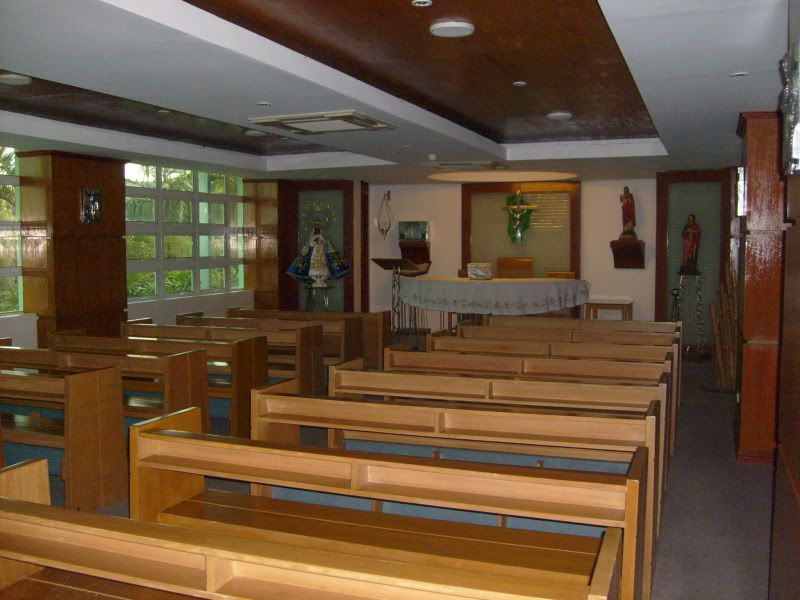
Physical amenities include single bedrooms with their own comfort room, single, double and dormitory rooms with common CR, plus 3 air-conditioned rooms. There is a renovated chapel and 2 very functional conference halls that could accommodate around 70 to 100 participants. The refectory/dining hall is easily accessible and there are kiosks available on the grounds for group sharing.


Sumptuous food for the body


Sisters Mariel and Marjorie Crisostomo form part of Immaculata’s efficient and friendly staff


The renovated chapel lost its carpeting but some of the old ottomans are still around


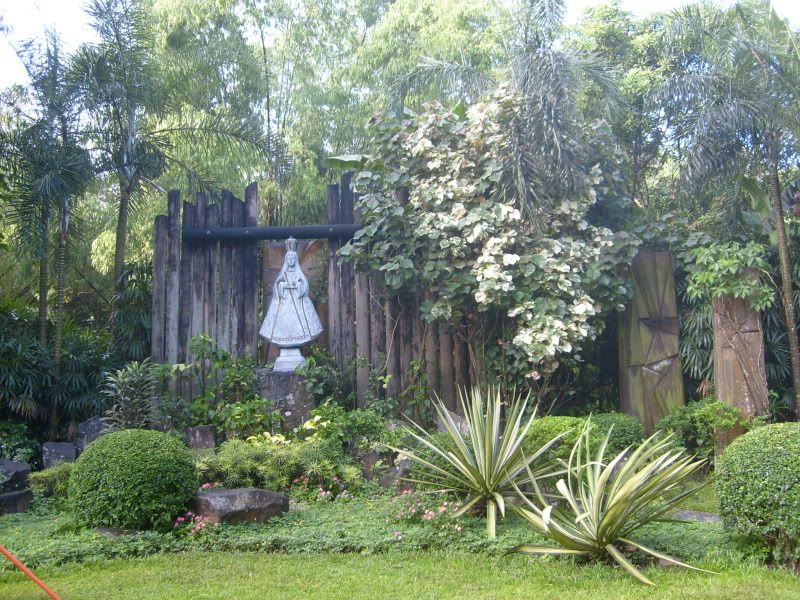
Madonna and child welcome you at the lobby


Today marks the birthday of Mama Mary! It is in her honor that I compose this blog post about a retreat house Conventual Franciscans named after her immaculate conception of our Lord and Savior.


"Give praise to Him because He is good; exalt Him by your deeds; for this reason He has sent you into the whole world: that you may bear witness to His voice in word and deed and bring everyone to know that there is no one who is all-powerful except Him."

St. Francis of Assisi


The main building of the compound


This building holds the parish offices and priests’ quarters


The rear side of adjacent St. Maximilian Mary Kolbe Parish Church


The parish church’s frontage


Rooms are modest but very functional


Holy Mass at the St. Maximilian Hall


Happy couple participants enjoy a hearty meal at the refectory


Looking for a place to “rest a while”?


Immaculata may just be the right place God had in mind for you.

Immaculata Retreat House is located at the Marytown Circle, Greenfields 1 Subdivision, Novaliches, Quezon City.


Wednesday, June 24, 2009

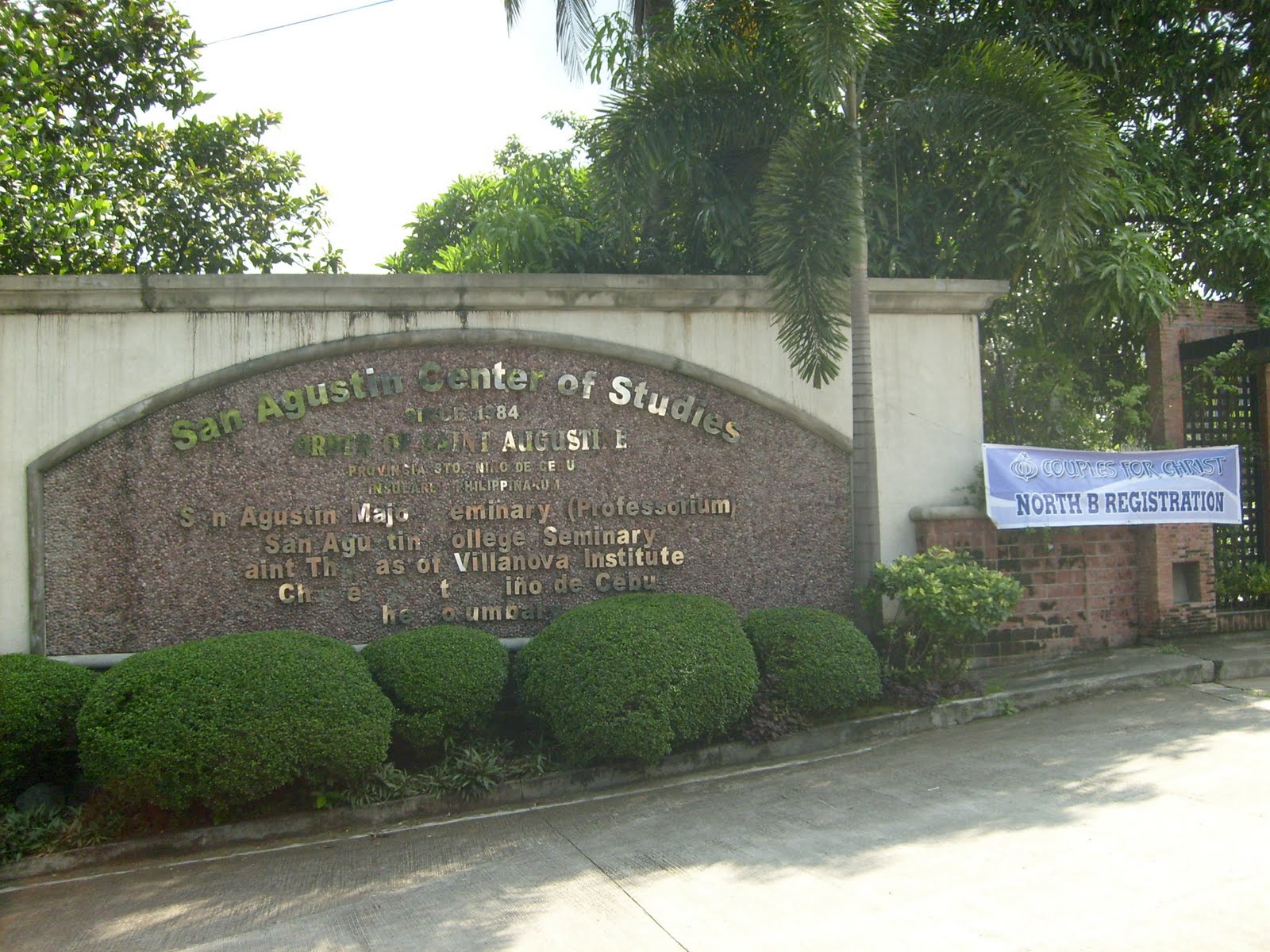
San Agustin Center of Studies

The San Agustin Major Seminary


“No human being is a stranger to an AUGUSTINIAN.
…live together in oneness honoring God in yourselves.”

Order of Saint Augustine (O.S.A.)


The venue for this year’s Sector Weekend for Couples for Christ North B is quite unique.

That venue is a nearly finished chapel inside the San Agustin Center of Studies (SACS) compound located at Fisheries St., near Visayas Avenue in Quezon City. What makes it quite eccentric is the fact that the chapel forms part of a modern day columbary owned by the Augustinians.
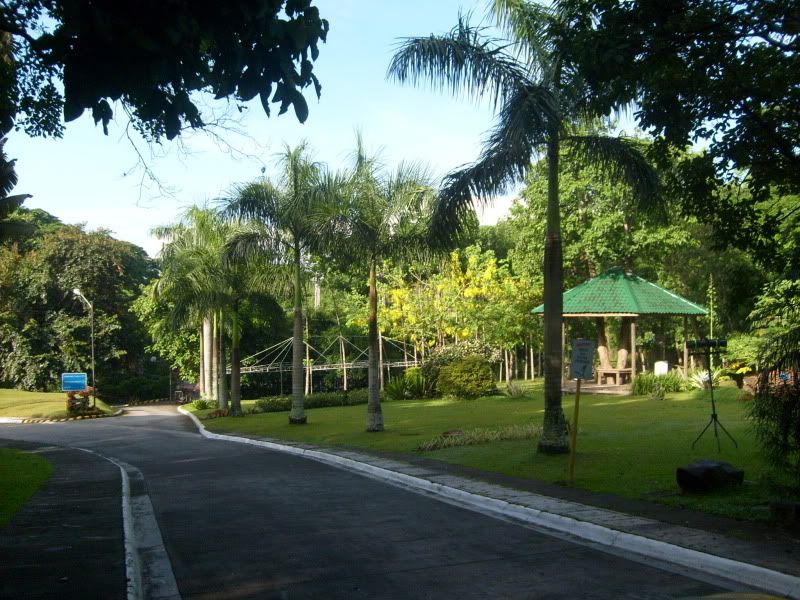
It didn’t look like there was a columbary when I arrived as the place was sprawling and quite well maintained if I may say so. The expansive beauty of the Center well mitigated any morbid feeling I later felt realizing we were in a resting place for the departed.


The Center opened its doors to CFC North B!


During the successful whole day activity, I got the chance to know more about the community of friars that lived there, the Augustinians.

The so-called Augustinians belong to the Order of St. Augustine (OSA) founded during the Middle Ages but traces its roots all the way to the 4th and 5th centuries, during the time of St. Augustine whom they consider their “Spiritual Founder”. After the initial gathering of different hermits who followed the Rule of St. Augustine by Pope Innocent IV in 1244 followed by a bigger union formed under Pope Alexander IV in 1256, the mendicant Order soon spread to many parts of the world. Missions were established in many areas of the New World including the Philippines. According to their brochure, there are presently around 2,700 Augustinians around the world in 40 countries serving in various ministries which include education, parochial and missionary apostolates.

In fact, the first Christian missionaries to the archipelago were Augustinian friars led by the navigator Fray Andres Urdaneta. As such, the history of the Augustinians is closely intertwined with the country’s momentous past. Many of the nation’s first converts to Christianity from the present day provinces of Cebu, Panay, Central and Northern Luzon including many parts of Metro Manila can be attributed to the missionary passion of the Augustinian friars. These friars are also well known as founders of many municipalities and historic churches many of which continue to stand as houses of worship and as historical landmarks.

The Province of Sto. Niňo de Cebu which works here in the Philippines has 13 houses under its jurisdiction including SACS. The Center, aside from the Columbary and the Chapel of Sto. Niňo de Cebu also houses the San Agustin Major Seminary, the San Agustin College Seminary and the St. Thomas of Villanova Institute.


The Columbary’s Chapel was the venue for this year’s CFC Sector Weekend

In the afternoon, I went to the Seminary and met one of the Center’s administrators, Fr. Joel L. Beronque, OSA. Fray Joel was the current Master of College Seminarians. It was through our brief conversation I was able to know a lot about this missionary Order.


The Center is celebrating its 25th anniversary later this year

As I went back to the chapel and to the remaining talks of the Sector Weekend, I noticed a tarpaulin showing the upcoming preparations for the Center’s 25th anniversary this November. The SACS’ theme at 25 is “We remember…We rejoice…We renew…” I thought it was a fitting theme for a religious learning institution that has been in existence for at least a quarter of a century. I congratulate and wish them well.

May the Augustinians continue to remain zealously faithful to their missionary vision of establishing “a community of brothers and friends, living harmoniously with one mind and one heart intent upon God and sharing goods in common for the service of the people of God.”


Monday, April 27, 2009

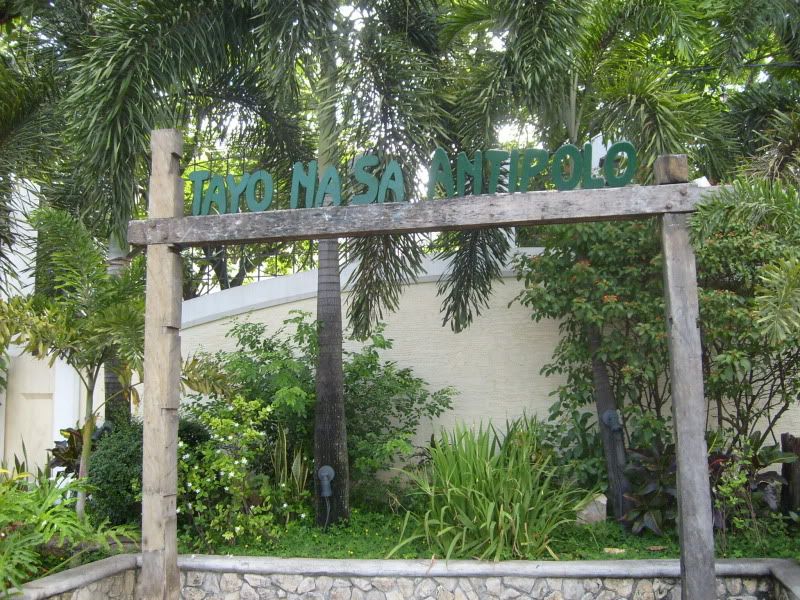
Tayo na sa Antipolo Cathedral at Meralco Management & Leadership Development Center!

“Tayo na sa Antipolo!”

“Tayo na sa Antipolo!” (Let’s go to Antipolo!), as one traditional song proclaimed.

So we did, designated Secretariat staff to the Center for Asian Integrity’s (CAI) Technical Working Group (TWG) last April 21 and 22, both organizers and participants to a planning writeshop, who trekked to this popular land of suman (rice cake), mangoes and kasoy (cashew nuts)!

A first class (in terms of income) city in the province of Rizal, Antipolo is located around 25 kilometers east of Metropolitan Manila. In terms of population, this city is considered the most populous in the Calabarzon (Southern Tagalog) area and ranked 7th most populous in the whole country based on a population census in 2007.

Named after the Tipolo (Artocarpus incisa) or breadfruit tree which was once in abundance in the area, the city rests on the slopes of the Sierra Madre mountain range, its elevated plateau provides a breathtaking view of Metro Manila especially during the evening and the break of dawn. Of course, that’s if the usual thick smog doesn’t ruin it.

The city prides itself as the “Pilgrimage Capital of the Philippines” and for good reason. Since the time of the Spanish colonials, many Filipino Catholics have journeyed to this area, devotees to the Marian image of the Our Lady of Peace and Good Voyage or simply known as the Virgin of Antipolo.

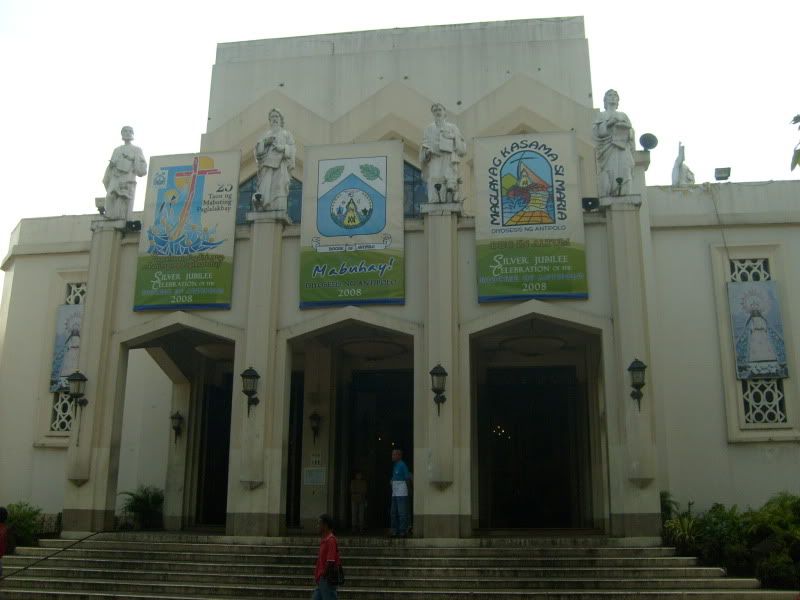
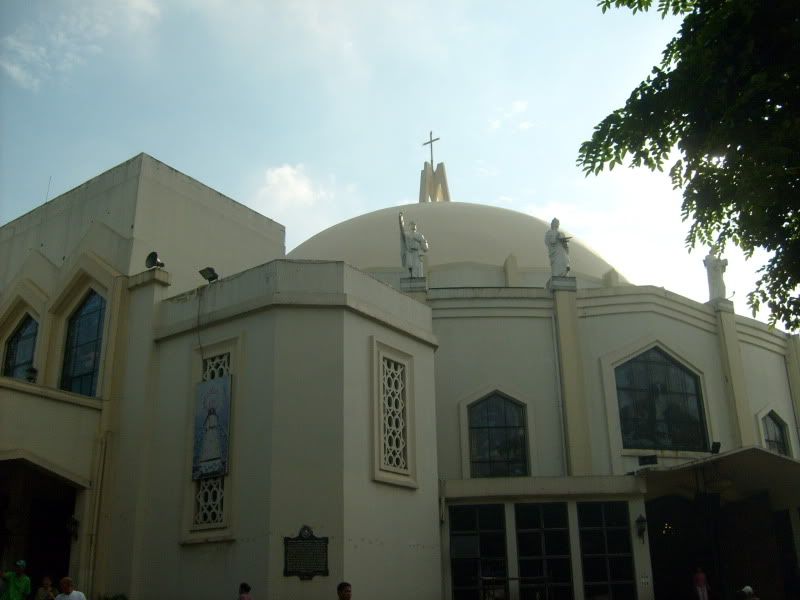
Paying homage to God and His favored handmaid, our first stop in the city was the Antipolo Cathedral.


The National Shrine of Our Lady of Peace & Good Voyage otherwise known as the Antipolo (Church) Cathedral


The Franciscans were said to be the first missionaries in Antipolo when they arrived there in 1578. They were replaced by the Jesuits in 1591 who organized the small village into a parish. But it was during the administration of the Augustinian Recolletos (which started in 1864) that the Virgin of Antipolo gained a following of devotees. Pilgrims from Manila and nearby towns and provinces journeyed on foot or on hammocks along the mountain trails and springs.

In 1954, the church of Antipolo was declared as a National Shrine of the Philippines dedicated to the “Nuestra Seňora dela Paz y Buen Viaje”. The statue was brought from Acapulco, Mexico to Manila in 1626 by Governor Juan Niňo de Tavora and at his death was turned over to the Jesuits for the Church of Antipolo in 1632. Proclaimed “Patroness of the Galleons”, the image again crossed the the Pacific several times during the 1600s and once in 1746.


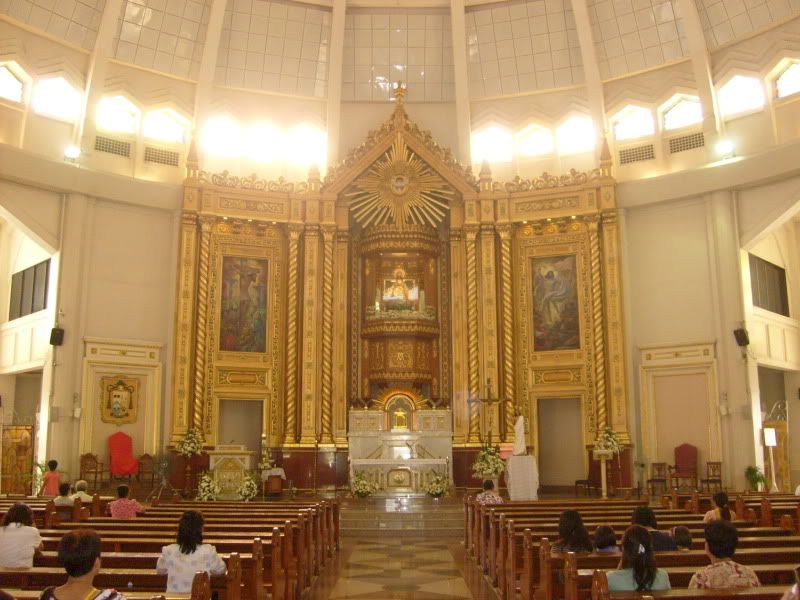
The vibrant golden altar


On May 6, 1947, the procession of the Virgin of Antipolo was first held starting at the hills of Pinagmisahan. The following year, a National Committee was formed to undertake a massive fund-raising campaign to establish the Cathedral of Antipolo.

As one of the most popular Marian shrines in the country, various customs rose out from the pilgrimages to Antipolo. One popular tradition is the journey to its site on the eve of Good Friday or May 1 from several locations in Rizal Province or Metro Manila. One of the most famous starting points was the Quiapo Church in the City of Manila.

Another popular custom was to have new cars blessed at the Cathedral in the belief that this shall make sure the safety of the vehicle and its passengers. After all, she wasn’t declared the Lady of Peace and Good Voyage for nothing.


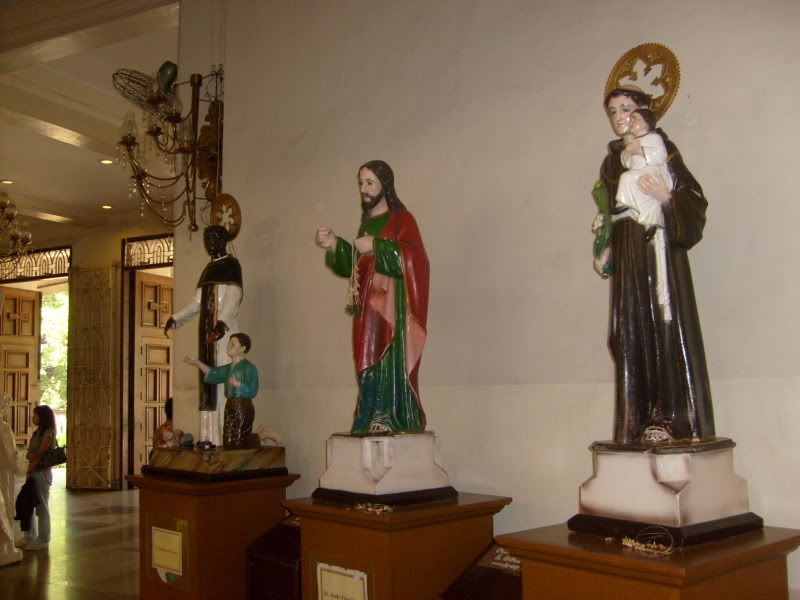
Statues of the saints which included one of my favorites:

St. Martin de Porres (1st from left)


The Diocese of Antipolo celebrated its Silver Jubilee foundation last year with the theme “25 Taon ng Mabuting Paglalakbay: Pasasalamat, Pagdiriwang at Panibagong Pagsasabuhay!” (25 Years of a Good Journey: Thanksgiving, Celebration and Renewed Living!).

A growing community of 58 parishes, the Diocese is the fifth largest local church in terms of its Catholic population out of the 86 ecclesiastical jurisdictions in the country today, after the Archdioceses of Cebu, San Fernando (Pampanga), Manila, and the Diocese of Malolos (Bulacan).

As devout members of Antipolo may affirm, let me proclaim the diocesan motto: “Ad Jesum Per Mariam!”


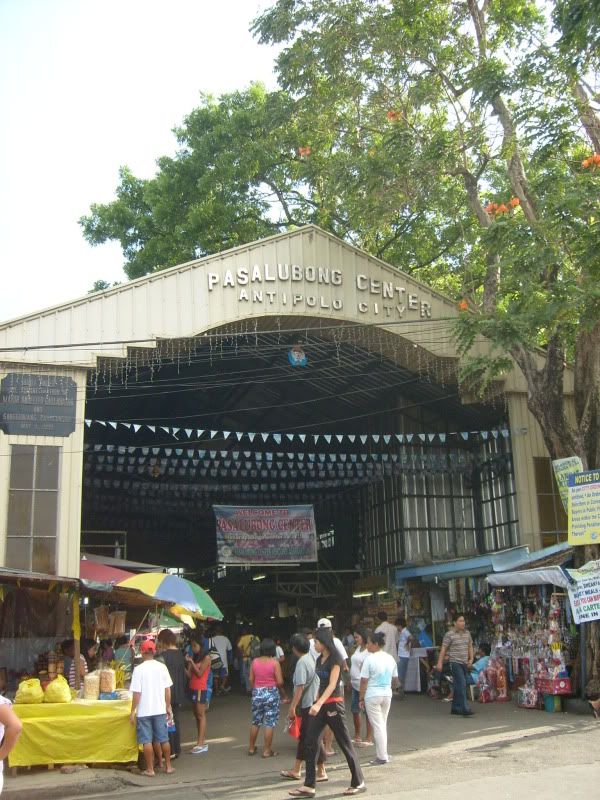
Pasalubong Center beside the Antipolo Church


For pilgrims who want to bring some local treats to their loved ones, check out the so-called “Pasalubong Center” just beside the Cathedral. I’m sure there is some delicacy out there much to your liking!


Venue of our workshop: The MMLDC Academic Hall


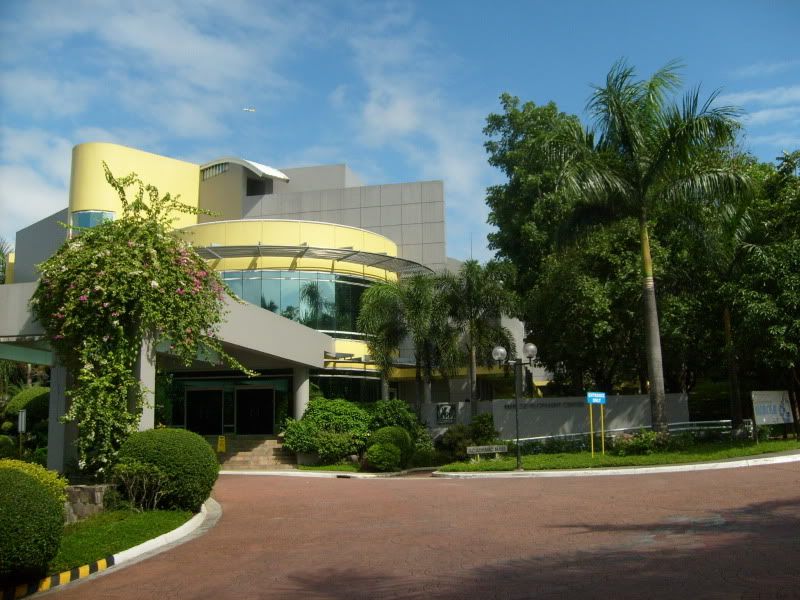
Not far from the town proper we arrived at our planning activity venue: the Meralco Management & Leadership Development Center (MMLDC) at Km. 27 along Sumulong Highway in Antipolo City.
The CAI TWG’s two-day planning writeshop had very specific objectives. One, review and finalize the results of the CAI strategic planning workshop held last month in Tagaytay City. Two, formulate a business plan for CAI. Lastly, the group is expected to draft governing rules, principles and policy guidelines for the Center.

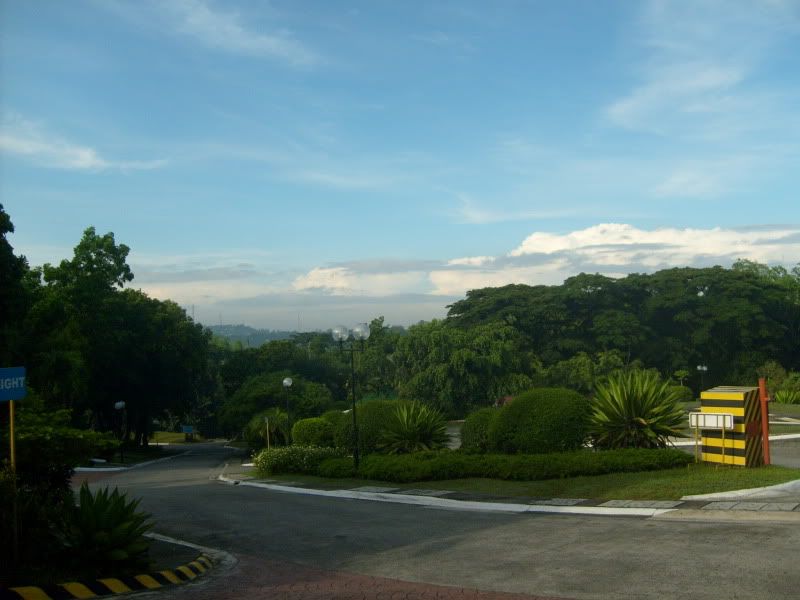
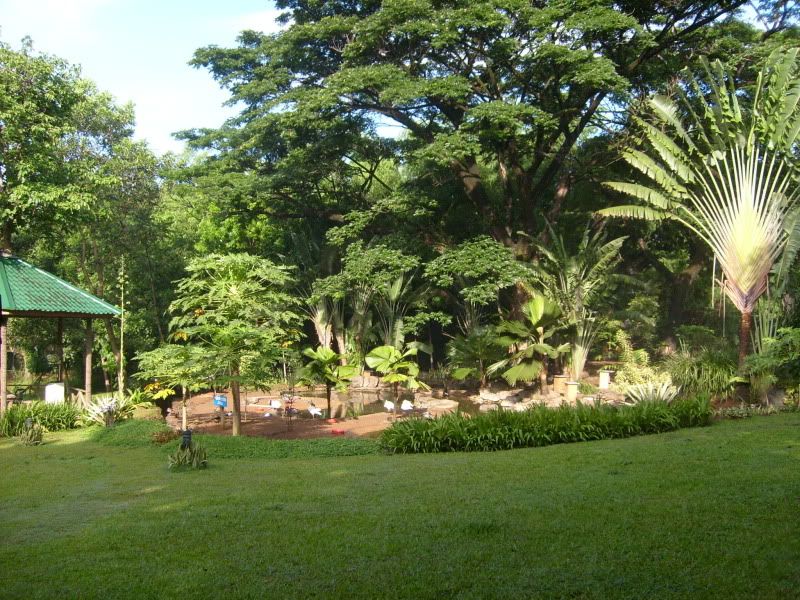
Our group needed a venue which had a conducive learning environment for the purpose and relatively close to the metropolis. The MMLDC nestled at a scenic nine hectare hilltop forested oasis seemed to fit the bill.

A mere 30 minute ride from the Ortigas business district, the MMLDC appeared to me as a surprising nature haven despite its proximity to Metro Manila.

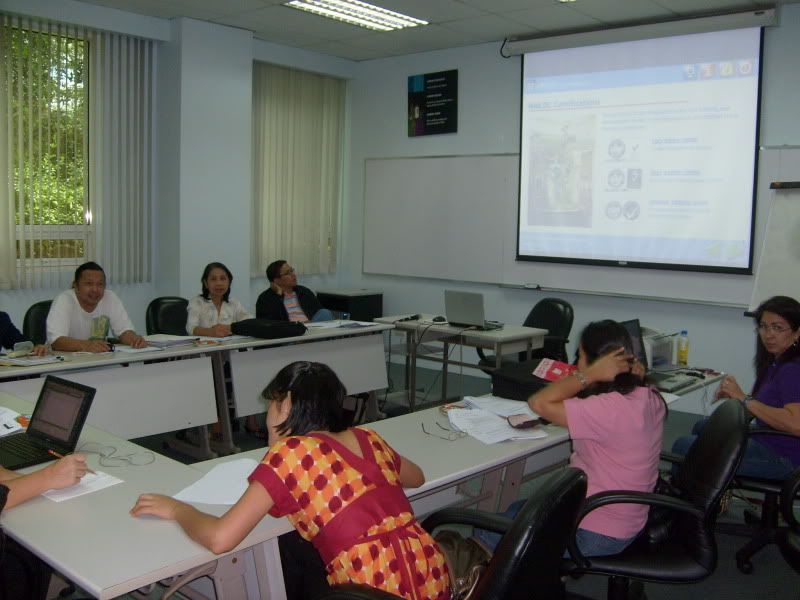
Our activity room was one of several classrooms varying in seating capacity and design found inside the Center’s Academic Hall. Aside from the classrooms, the Academic Hall also houses a conference room with video conferencing facilities, case rooms, a business center, a museum and an “educational suite” which supports production of multi-media packages.


Settling down to work


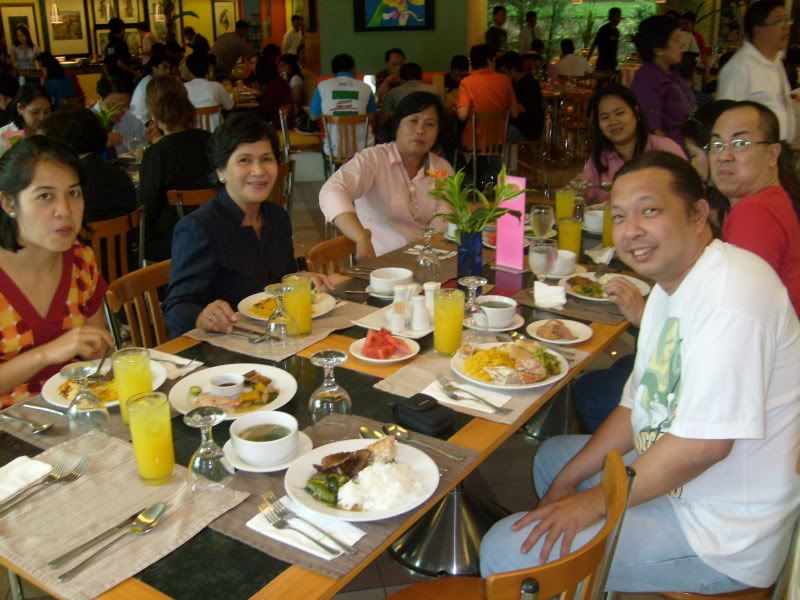
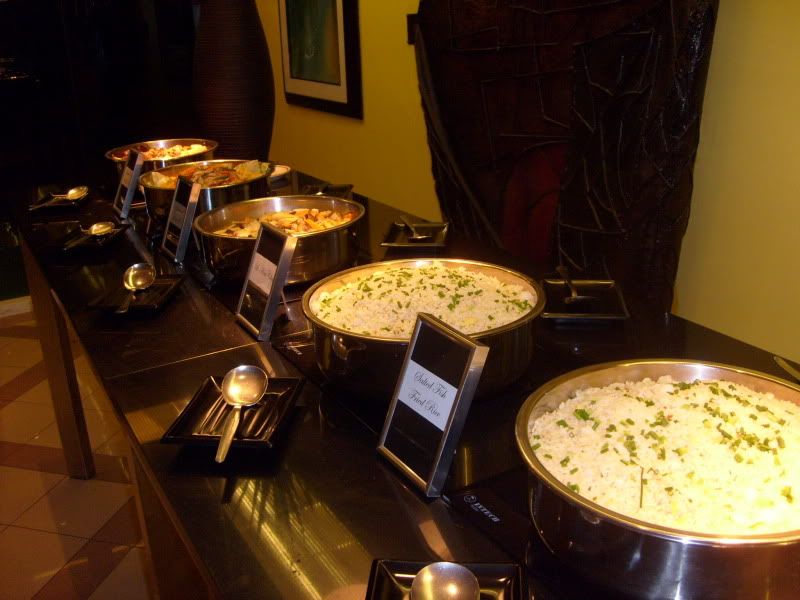
Sumptuous lunch at the Mess Hall


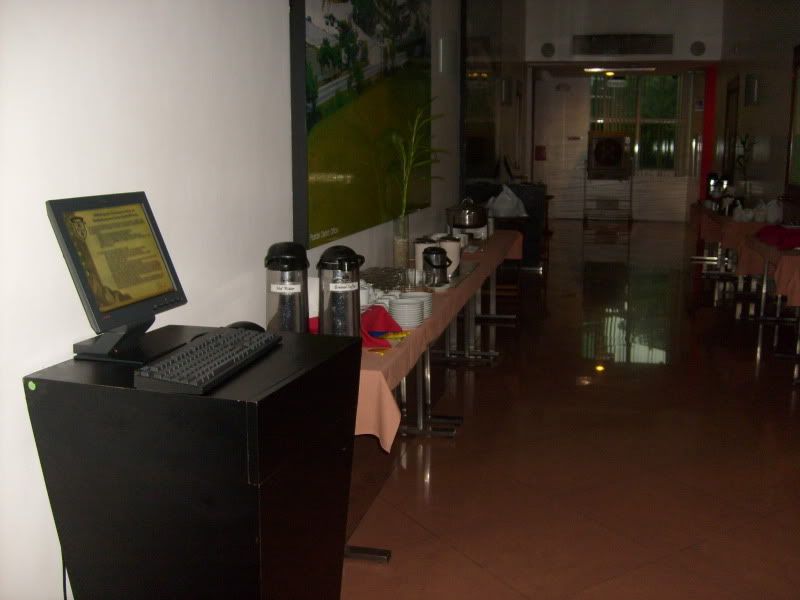
Internet access is available for venue guests/workshop participants


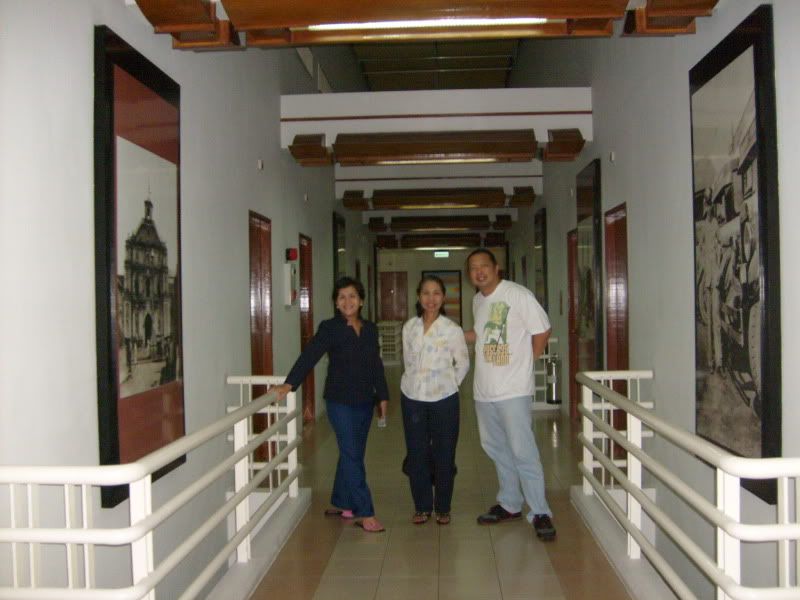
Hallway to our respective rooms (with CIPD Director Nida Gruta and PACPO
Asst. Ombudsman Evelyn Baliton


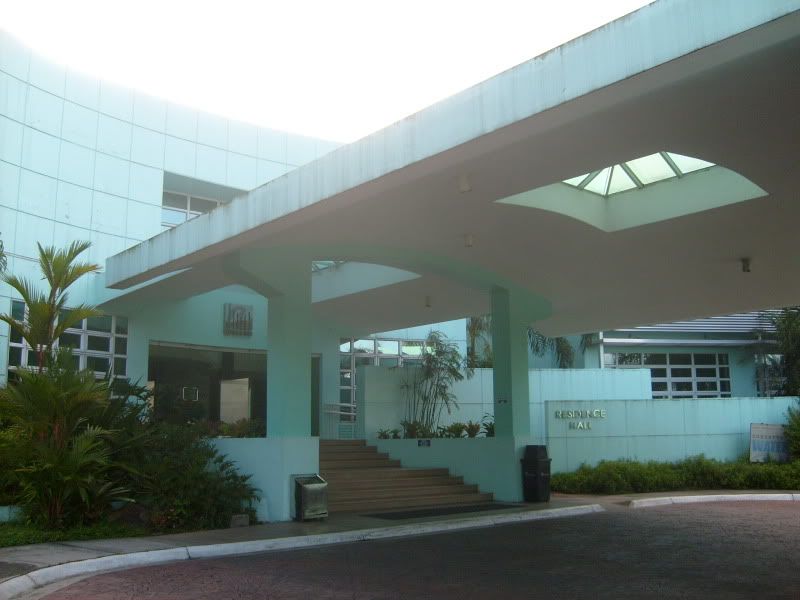
The Center’s Residence Hall provided comfortable accommodation and rest to us overnight guests. Located at the highest point of the site, the Residence Hall is to date the biggest building inside the Center, capable of accommodating 156 participants and 24 faculty members all at the same time. It has a chapel, a spacious lounge, a clinic and gym with spa.


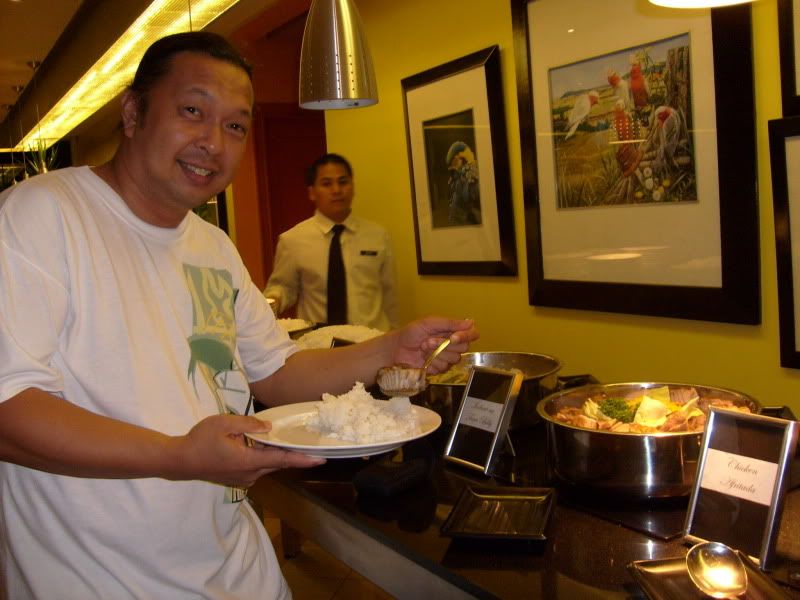
Trying out the “Inihaw (Grilled) na Tuna Belly” beside the “Chicken Afritada”


With so many tasty food choices, dinner was equally sumptuous as our lunch


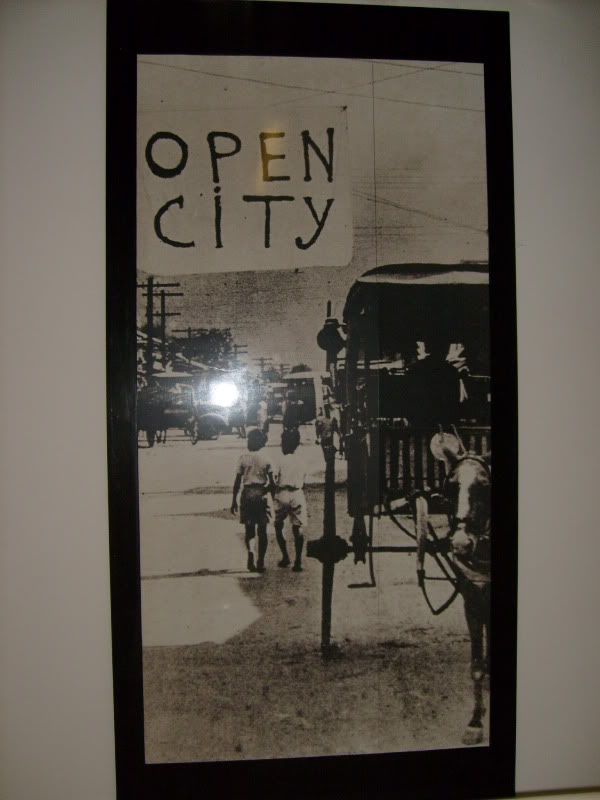
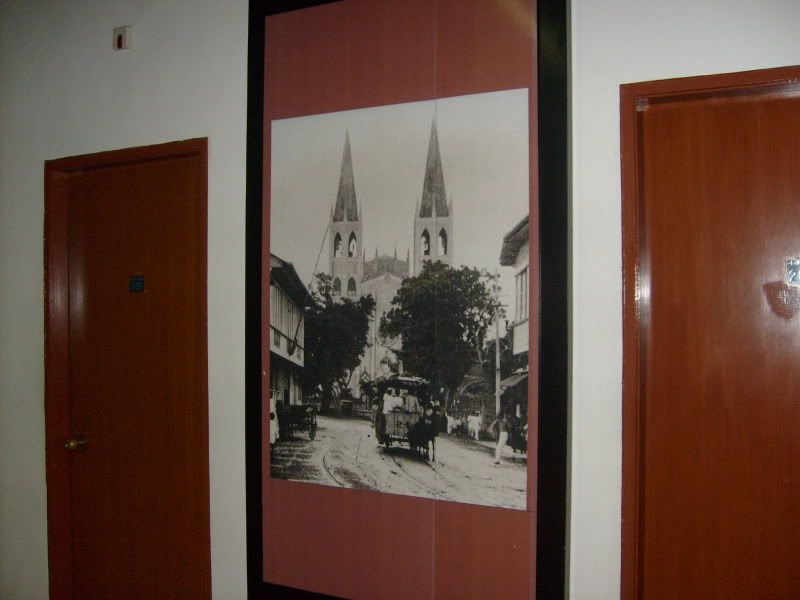
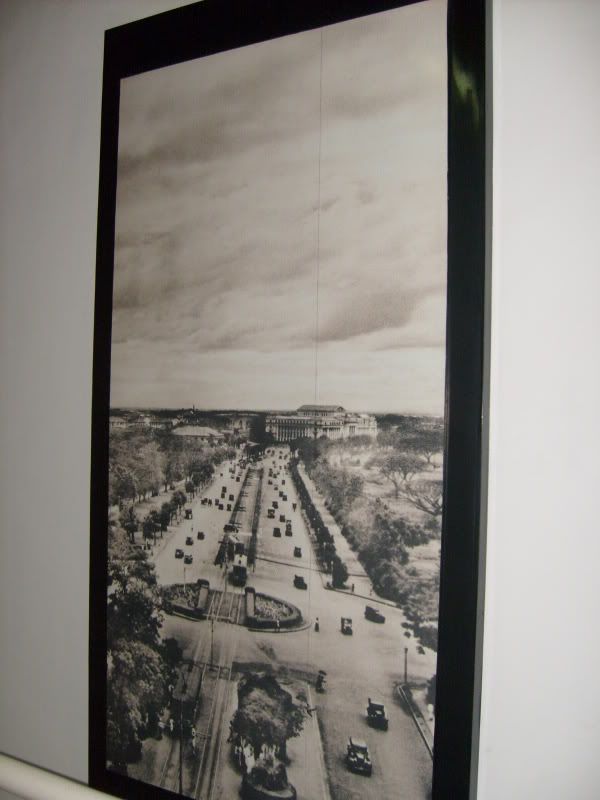
Images from the country’s historic past are displayed at the hallways of the Residence Hall (Manila was declared an ‘open city’ when the Japanese Imperial Army first attacked the country during the Second World War)


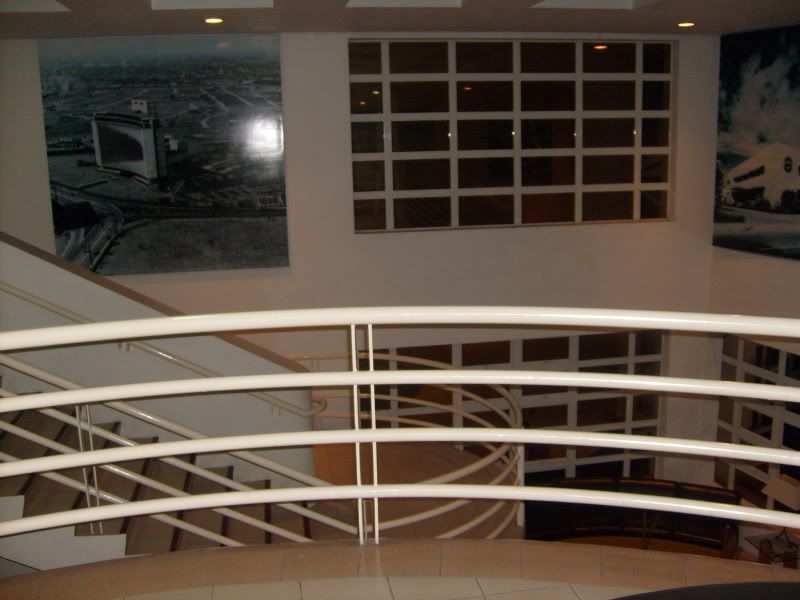
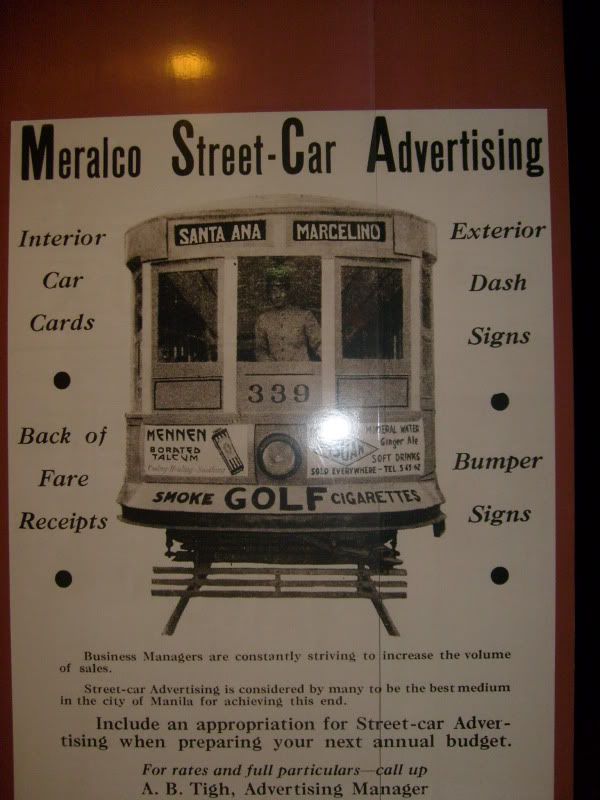
Interspersed inside the Residence Hall where pictures of Meralco’s history as well


San Sebastian Church during a bygone era


Avenue leading to the old building of the Philippine Congress

(now the National Museum) at the background


The MMLDC Residence Hall


Every building in the Center carries an evident minimalist architecture and character which complements with the environmentalist advocacy and technological dynamism of its institution.


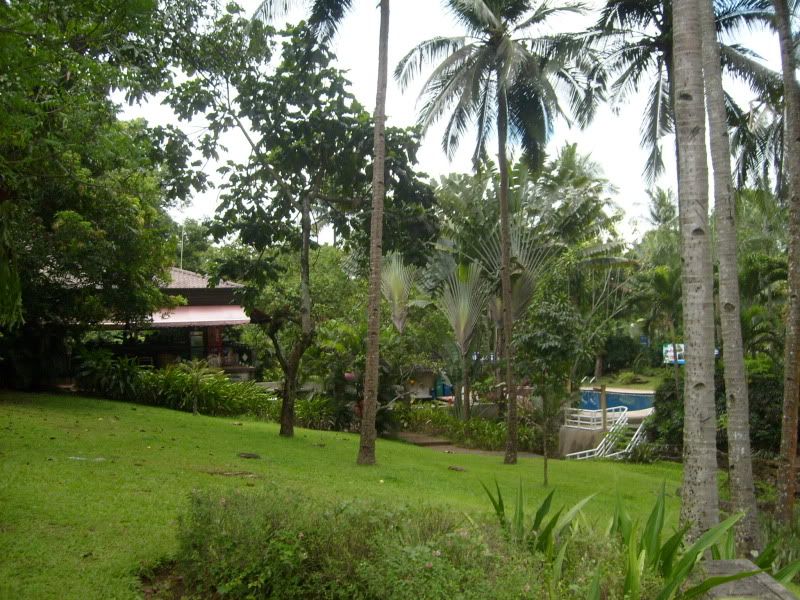
Sprawling garden


The chapel


Morning walk inside the MMLDC grounds


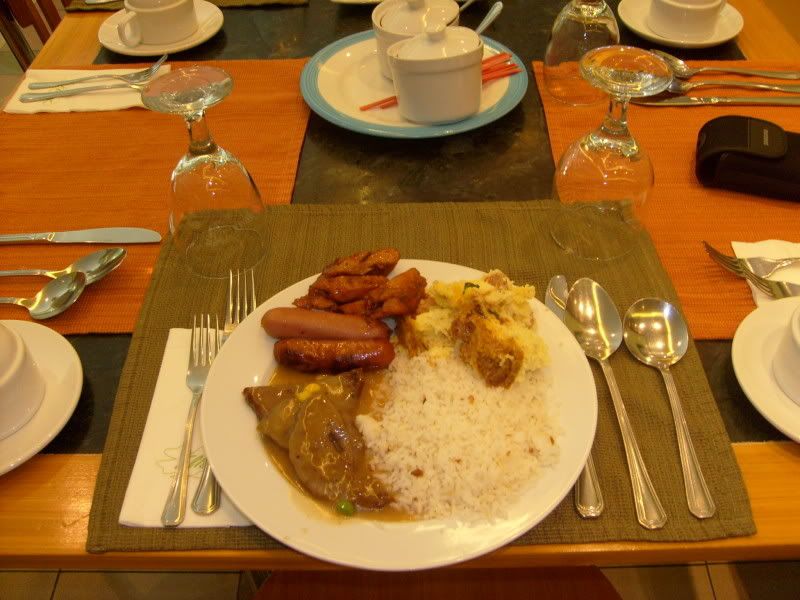
Starting the day with a power packed breakfast meal


Of course, one cannot write about MML Development Center without mention of the delectable and healthy cuisine it offers to its clients. Definitely a highlight of one’s stay at the Center, I can still vividly remember the gastronomic components of my power breakfast that second day at the Center.

It consisted of:

Longganisa Hamonado

Chicken Tocino

Salisbury Steak

Fritata con Espaňol

Garlic Rice

Fresh Fruits (Papaya)

Orange Juice


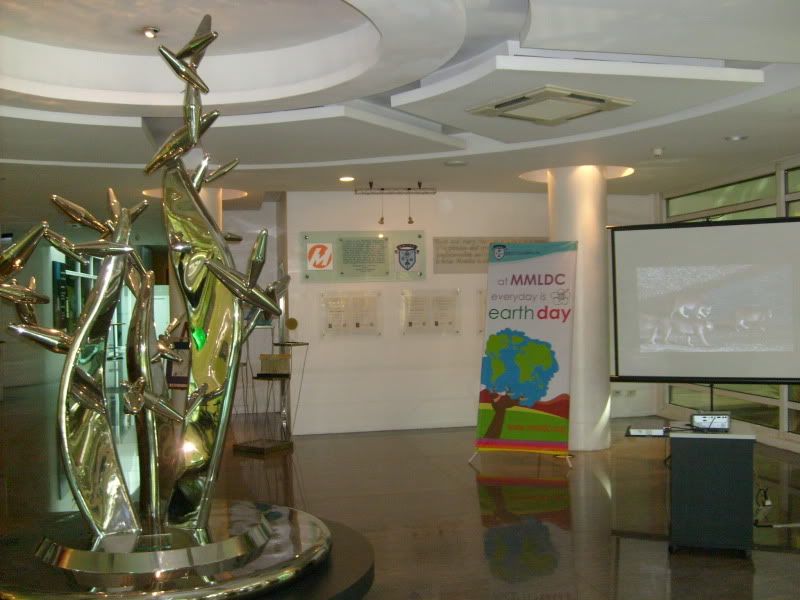
“At MMLDC everyday is Earth Day”:

Promoting corporate social and environmental responsibility


Unintentionally, our second and last day at the Center coincided with this year’s Earth Day. This strong advocacy for environmental responsibility was quite apparent throughout the complex.


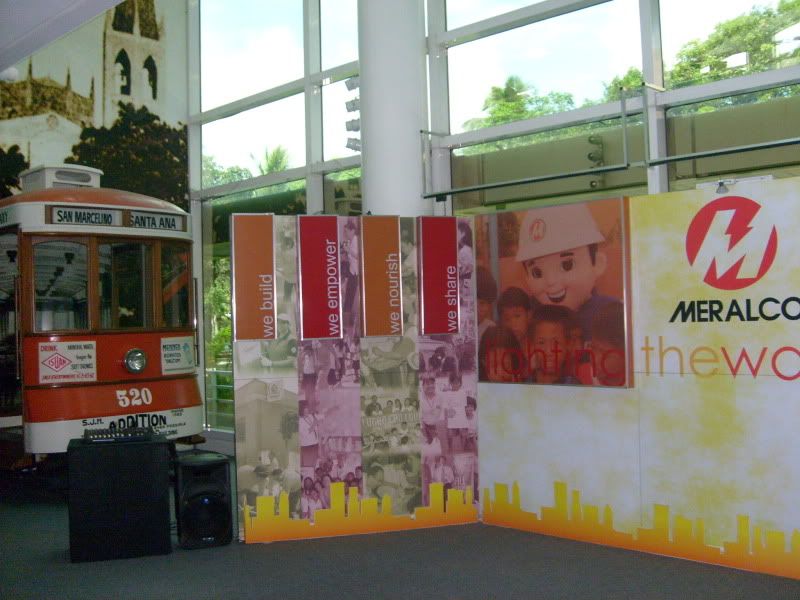
Meralco has a mini museum inside the Academic Hall


The Center’s swimming pool is partially hidden by the vegetation


All in all, I had a fine experience at the Center. Its relaxing natural atmosphere and sumptuous food offerings were more than enough to overcome the working stress of the planning activity that transpired.

Antipolo with its natural beauty and spiritual haven would surely reinvigorate any weary soul that seeks refuge from the hustle and bustle of the urban world.


Thank you Mama Mary for our good voyage in Antipolo City!